
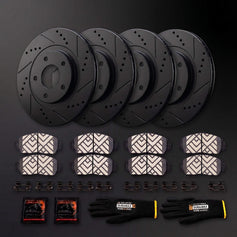
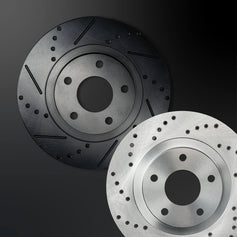
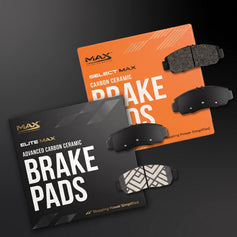

Seeing a little surface rust on your brake rotors even when they're coated can feel frustrating. After all, wasn't the coating supposed to prevent that?
Don't worry. Surface rust on rotors is normal, even with advanced protection like MAX Advanced Brakes' Geomet coating.
Here's why it happens, and why it's nothing to fear.
1. Brake Rotor Coatings Are Not on the Braking Surface
-
Purpose of the Coating: Full-surface Geomet coating protects non-friction areas. The hat (center), cooling vanes, and edges from corrosion and long-term rust damage.
-
Friction Surface: The part of the rotor that the brake pads clamp onto during braking is intentionally left uncoated or wears off immediately during your first few brake applications.
2. Surface Rust Forms Quickly on Bare Metal
-
Moisture Exposure: Brake rotors are made from iron alloys, and exposed iron surfaces develop a thin flash of surface rust when exposed to humidity, rain, or even washing your car.
-
Overnight Rust: It's common to see light rust form overnight if the vehicle was driven, washed, or exposed to rain. This is true of all brakes and rotors regardless of coating quality.
3. Rust Removal Happens Naturally During Driving
-
First Few Stops: As you drive and brake normally, your brake pads immediately scrape off the thin surface rust restoring a clean, even braking surface.
-
No Impact on Performance: Light surface rust does not damage your rotors or brake pads; it's purely cosmetic and disappears within a few brake applications.
4. Real Problems Start with Deeper Rust But Coatings Prevent That
-
Severe Corrosion: If rotors are left unused for long periods, rust can penetrate deeper causing pitting, rough spots, and uneven braking surfaces that affect the performance of your entire brake pads and rotors setup.
-
Coated Rotor Advantage: MAX Advanced Brake rotors feature premium Geomet coating that protects the structural parts of the rotor that matter most, preserving integrity and safety far longer than bare uncoated rotors.
Best Practices to Keep Rotors Healthy
-
Drive Regularly: Light driving removes surface rust naturally and keeps rotors clean.
-
Avoid Leaving Wet: After washing your car, take a short drive to dry the braking surfaces.
-
Inspect Occasionally: Regular maintenance checks can catch abnormal wear or corrosion early. If your brakes and rotors are showing signs of deeper damage, it may be time for a fresh brake kit.
Final Thought: Surface Rust Is Normal — Protection Runs Deeper
Seeing a little surface rust is no reason to worry. Your MAX Advanced Brakes rotors are protected where it matters most, helping you enjoy stronger, smoother, longer-lasting braking performance every mile.
Check out MAX Advanced Brakes reviews to see how drivers rate their rotor quality and corrosion resistance in real-world conditions.