

Whether you're switching drivers, parking on a hill, or getting ready to drive off, knowing how to properly release the parking brake is essential. Done wrong, it can cause unnecessary wear or worse, serious brake system damage over time.
Here's a simple, expert guide to releasing your parking brake safely and correctly.
1. Know Which Parking Brake Type You Have
Hand Lever: Usually located between the front seats. Pull up to engage, press a button and lower to release.
Foot Pedal: Found on the far left side near the driver's footrest. Press down to engage, and either press again or pull a release handle to disengage.
Electronic Parking Brake: Controlled by a switch or button, typically labeled with a (P) symbol. Pull up to engage, push down (or step on brake pedal and push) to release.
2. Release the Brake Safely
Step on the Brake Pedal First
Always press the brake pedal firmly before releasing the parking brake. This prevents rolling, especially on inclines.
Release Gently
Lower the hand lever, press the foot pedal again, or push the electronic button smoothly and fully.
Confirm Release
Check that the parking brake warning light on the dashboard turns off completely before driving.
3. Common Mistakes to Avoid
Driving with the Parking Brake On
Even partially engaged, it can quickly overheat and damage brake pads, rotors, or cables. It’s a kind of preventable wear that turns a simple brake parts check into a costly full replacement.
Yanking the Lever Hard
Slamming the lever up or down aggressively wears out the mechanism prematurely.
Ignoring Warning Lights
If the brake warning light stays on after releasing, stop immediately and inspect. You could have a stuck brake or other issue.
4. Pro Tip: Release Parking Brake Before Long Storage
If you're parking a vehicle for more than a few days, consider releasing the parking brake and using wheel chocks instead. This prevents the brake pads from seizing to the rotors protecting your brakes and rotors from the kind of corrosion and surface damage that builds up quickly in wet or humid conditions.
Final Thought: Small Habit, Big Impact
Releasing your parking brake properly may seem simple, but it protects your brake system, extends component life, and keeps you safer on every drive.
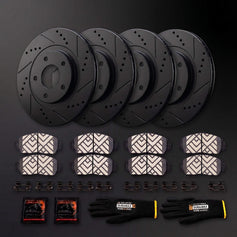
And when your brake pads and rotors are due for a refresh, trust Max Advanced Brakes for premium brake parts engineered for long-lasting performance and reliability.