

If you notice your brakes feeling less responsive, squealing during light stops, or producing a burning smell, you might be dealing with glazed brakes.
Understanding what glazed brakes are and how to fix them can restore safe braking and extend the life of your brake pads and rotors.
1. What Does "Glazed" Mean?
-
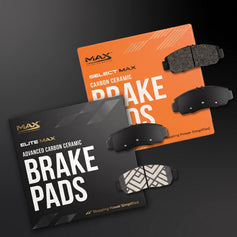
Glazed Pads: When brake pads overheat, their surface can harden and become smooth and shiny instead of slightly rough, reducing friction and stopping power.
-
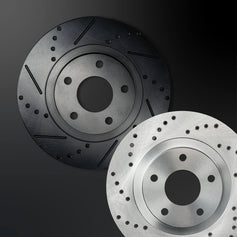
Glazed Rotors: The rotor surface can also overheat and become polished, further reducing grip between the pad and rotor.
2. What Causes Brake Glazing?
-
Hard Braking on Cold Pads: Slamming the brakes hard before the system is properly warmed up.
-
Riding the Brakes: Keeping your foot lightly on the brake pedal while driving. Especially, going downhill generates constant heat that wears down brakes faster than normal use.
-
Poor Bedding-In: Failing to properly bed-in new brake pads and rotors causes uneven material transfer and overheating spots.
-
Low-Quality Brake Pad Material: Cheap brake pads made of inferior compounds are more prone to overheating and glazing, a problem that premium brake pads are specifically engineered to resist.
3. Symptoms of Glazed Brakes
-
Reduced Stopping Power: Takes longer to slow down, even with firm brake pedal pressure.
-
Brake Squealing or Screeching: High-pitched noises during light braking.
-
Soft or Spongy Brake Feel: The pedal feels mushy instead of firm and responsive.
-
Burnt Smell: You may notice a sharp chemical or burnt odor after braking hard.
4. How to Fix Glazed Brakes
-
Light Re-Bedding: Sometimes you can re-bed the pads by performing several moderate braking runs to clean up the surfaces.
-
Rotor and Pad Resurfacing: Light sanding of the pads and rotors (with proper brake-specific sandpaper) can restore grip.
-
Brake Pad Replacement: Severely glazed brake pads often need full replacement to restore safe braking performance.
-
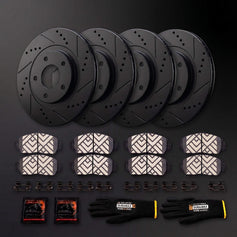
Upgrade to Higher-Quality Parts: Premium brake pads and rotors like Max Advanced Brakes kits are built to resist glazing under normal use, delivering more consistent stopping power over the life of the brake kit.
5. How to Prevent Brake Glazing
-
Proper Bedding-In: Always follow a controlled brake-in procedure when installing new brake pads and rotors. Max Advanced Brakes provides an official bedding-in procedure with their kits to help you get it right from the start.
-
Use Brakes Correctly: Avoid riding the brakes downhill. Shift into a lower gear instead to reduce heat buildup on your brakes and rotors.
-
Choose Premium Materials: High-quality ceramic or carbon ceramic brake pads resist heat buildup and last longer without glazing.
Final Thought: Brake Feel = Brake Health
If your brakes don't feel right, trust your instincts. Addressing glazing early can prevent bigger problems down the road and investing in quality brake parts from the start is the best way to avoid it altogether.
Max Advanced Brakes is here to help you stop safer, longer, and smarter with premium brake pads, rotors, and complete brake kits built for real-world performance.