

When it comes to brake fluid, not all types are created equal. DOT 3 and DOT 4 are the most common types, but what’s the real difference, and does it matter for your vehicle.
Here’s a clear breakdown so you can choose wisely and protect your brake system’s performance and safety.
1. Boiling Point Differences
-
DOT 3: Lower boiling point, Typically around 401°F (dry) and 284°F (wet).
-
DOT 4: Higher boiling point, Around 446°F (dry) and 311°F (wet).
Why It Matters: Higher boiling points mean better performance under heavy braking, towing, or extreme heat. especially for vehicles like F150 or Ram 1500 Classic.
2. Water Absorption Rates
-
Both DOT 3 and DOT 4: Are hygroscopic, meaning they absorb moisture from the air over time.
-
DOT 4: Absorbs moisture slightly faster than DOT 3 meaning it may require more frequent changes to maintain peak performance.
3. Vehicle Applications
-
DOT 3: Common in older vehicles, standard sedans, and lighter-duty applications where extreme temperatures are less likely. (e.g. 2017 Mazda CX-5, 2022 Mitsubishi Outlander )
-
DOT 4: Required or recommended in modern vehicles with ABS, performance braking systems, towing capabilities, or heavy-use conditions. (e.g. 2021 Hyundai Kona)
4. Can You Mix DOT 3 and DOT 4?
-
Technically Yes: Both are glycol-based fluids and are chemically compatible.
-
Not Recommended: Mixing dilutes the higher performance of DOT 4 leaving you with the lower boiling point of DOT 3.
5. Best Practices for Brake Fluid Maintenance
-
Always Use Manufacturer-Recommended Type: Check your owner’s manual or brake system specs before topping off or flushing.
-
Replace Brake Fluid Regularly: Typically every 2–3 years, or sooner if you drive in wet, humid, or extreme conditions.
-
Use Fresh Fluid: Never use brake fluid from an opened container that’s been sitting for months. Moisture contamination happens quickly.
-
Inspect Your System: Regularly check your brakes and rotors and brake pads and rotors for wear.
Final Thought: Match Your Brake Fluid to Your Driving Demands
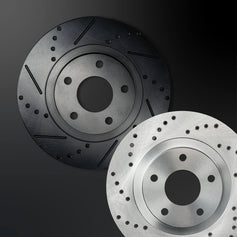
If you drive hard, tow heavy loads, live in mountainous regions, or use performance setups like drilled and slotted rotors upgrading to DOT 4 can deliver stronger, more consistent braking power.
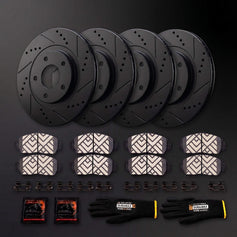
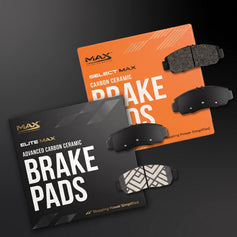
And no matter what fluid you use, pairing it with high-quality brakes, brake pads, and a complete brake kit like Max Advanced Brakes ensures confidence in every stop.