

Squeaky brakes can be more than just annoying. They can signal real problems, or sometimes just minor issues that are easy to fix.
Let's break down why brakes squeal, how to fix them, and when it's time to upgrade to better brake parts.
1. Common Causes of Squeaky Brakes
-
Brake Pad Material: Some cheaper brake pads especially metallic types naturally create more noise due to their harder compounds.
-
Lack of Pad Shims or Hardware: Missing or worn shims and hardware allow pads to vibrate excessively, causing squeals.
-
Glazed Pads or Rotors: Overheating can harden surfaces, leading to high-pitched squealing under light braking, a common issue when brakes and rotors aren't properly bedded in after installation.
-
Dust, Dirt, or Rust Buildup: Contaminants on the pads or rotors can create temporary squeaks.
2. Quick Ways to Fix Squeaky Brakes
-
Bed-In or Re-Bed Your Brakes: Properly bedding the brake pads and rotors ensures a smooth, even transfer layer often eliminating minor squeaks.
-
Inspect and Replace Hardware: Replace worn shims, abutment clips, or anti-rattle clips to control pad vibration.
-
Clean the Brake Components: Remove wheels and clean rotors and pads with brake cleaner to eliminate dust, dirt, or rust films.
-
Apply Brake Quiet Compound: Use special high-temp anti-squeal lubricants on the back of the pads (never on the friction surface) to dampen vibration.
3. When to Replace Instead of Repair
-
Severely Glazed Pads: If pads are visibly shiny and hardened, replacement is needed for safe braking.
-
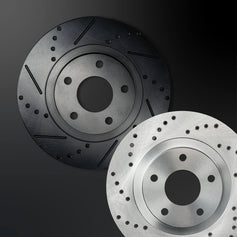
Warped or Grooved Rotors: If rotors show deep scoring or uneven surfaces, replacing your brakes and rotors together restores smooth, quiet braking.
-
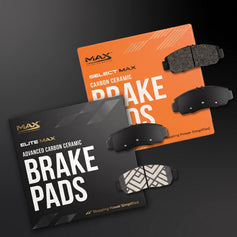
Low-Quality Brake Pads: Budget brake pads often continue squealing even after cleaning upgrading to quality ceramic pads like Max Advanced Brakes solves the problem permanently and delivers noticeably quieter stops.
4. Best Brake Pads for Quiet, Smooth Stops
-
Ceramic Brake Pads: Premium ceramic brake pads like Max Advanced Brakes Elite pads naturally resist noise, dust, and heat-related issues better than metallic pads.
-
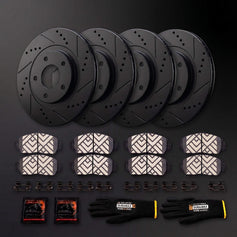
Full Hardware Kits: Always install new stainless steel clips, abutments, and shims when replacing brake pads for maximum noise control and pad alignment. A complete brake kit makes this straightforward.
Final Thought: Quiet Brakes Are Healthy Brakes
Squeaky brakes aren't just irritating. They're a sign your brake system needs attention. Fixing minor issues early protects your rotors, brake pads, and driving safety.
And when it's time for replacement, trust Max Advanced Brakes to deliver smooth, quiet, powerful braking right out of the box.