

Every time you press the brake pedal, you're relying on a complex but beautifully engineered system to slow down and stop your car safely.
But how exactly do car brakes work? Here's a simple, clear breakdown to help you understand one of the most important systems in your vehicle.
1. The Basic Brake System Process
-
Step 1: You press the brake pedal with your foot.
-
Step 2: The brake pedal pushes a piston inside the master cylinder, creating hydraulic pressure.
-
Step 3: Hydraulic brake fluid travels through brake lines to each wheel's brake caliper (or wheel cylinder).
-
Step 4: Brake calipers press brake pads against the spinning rotors, using friction to slow and stop the wheels.
2. Key Components of Your Brake System
-
Brake Pedal: The part you step on to start the braking process.
-
Master Cylinder: Converts pedal movement into hydraulic pressure.
-
Brake Lines and Hoses: Carry pressurized fluid to each brake.
-
Brake Calipers: Clamp the brake pads onto the rotors (disc brakes).
-
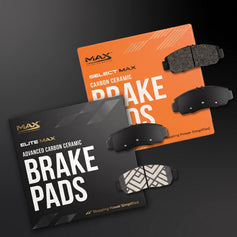
Brake Pads: Provide friction against the rotors to slow the vehicle
-
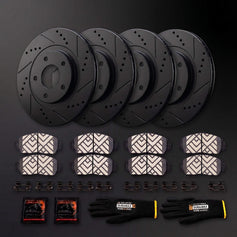
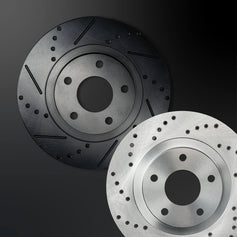
Brake Rotors: The spinning discs attached to each wheel that get squeezed by the pads (including drilled and slotted rotor options).
3. Disc Brakes vs. Drum Brakes
-
Disc Brakes: Most modern cars use disc brakes at the front (and often rear) because they offer better cooling, performance, and fade resistance
-
Drum Brakes: Some vehicles still use drum brakes on the rear wheels. Instead of pads squeezing a rotor, shoes press outward against a spinning drum.
4. Brake Assist Systems
-
ABS (Anti-Lock Braking System): Prevents wheels from locking up during emergency braking, helping you maintain steering control.
-
Brake Assist: Detects emergency stops and boosts brake pressure automatically for faster, safer stopping.
-
Electronic Brakeforce Distribution (EBD): Optimizes braking force between front and rear wheels based on load and driving conditions.
5. Why Maintenance Matters
-
Brake Pad Wear: Brake pads slowly wear down and must be replaced before they damage the rotors
-
Rotor Condition: Warped, cracked, or worn rotors compromise braking safety and should be replaced promptly.
-
Fluid Health: Brake fluid absorbs moisture over time, reducing effectiveness. It should be changed every 2–3 years.
Final Thought: Your Brakes Deserve Premium Care
Your brakes aren't just mechanical parts. They're your last line of defense on the road and using the right brake parts makes all the difference.
Trust Max Advanced Brakes for premium brake pads, rotors, and complete brake kits engineered for real-world performance and long-term safety.