
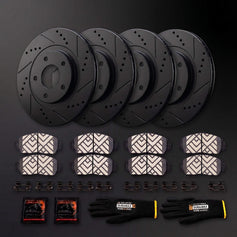
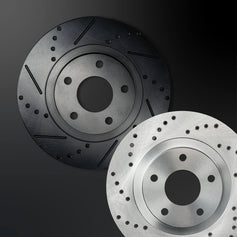
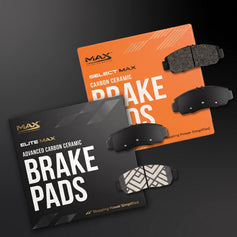

First, let's clear something up. What many people call "brake oil" is technically brake fluid. And yes, it's absolutely critical for safe, responsive braking performance.
Brake fluid doesn't just "top off and forget"; it needs regular changing to prevent serious brake failure risks. Here's exactly what you need to know.
1. How Often Should You Change Brake Fluid?
-
General Rule: Every 2 to 3 years even if the fluid looks clean.
-
High-Performance or Heavy Use: Every 1 to 2 years if you drive in mountainous areas, tow loads, track your car, or face extreme humidity.
2. Why Brake Fluid Needs Changing
-
Moisture Contamination: Brake fluid absorbs water from the air over time (hygroscopic effect), lowering its boiling point.
-
Reduced Braking Power: Water in brake fluid can cause vapor bubbles during heavy braking leading to brake fade or even total brake failure.
-
Internal Corrosion: Moisture promotes rust inside brake lines, calipers, and master cylinders, leading to expensive repairs that go well beyond a simple brake parts replacement.
3. Signs You Might Need a Brake Fluid Change
-
Spongy or Soft Brake Pedal: Pedal feels mushy or sinks farther than normal before engaging.
-
Inconsistent Braking Performance: You notice longer stopping distances or uneven braking feel.
-
Brake Warning Light: Some newer vehicles monitor brake fluid condition and will alert you.
-
Dark, Dirty Fluid: Fresh brake fluid is clear or light yellow. Dark, dirty, or brown fluid signals contamination and should be flushed before your next brake pad and rotor service.
4. Best Practices for Brake Fluid Maintenance
-
Follow Manufacturer Recommendations: Check your owner's manual for your specific change interval and brake fluid type (usually DOT 3, DOT 4, or DOT 5.1).
-
Use Fresh, High-Quality Brake Fluid: Always use a sealed container and never reuse old fluid that has been opened for months.
-
Change Fluid When Installing New Brakes: It's smart to flush and replace fluid whenever upgrading brake pads and rotors ensuring your entire braking system performs at its best from day one.
Final Thought: Brake Fluid Is Small, But Critical
Changing your brake fluid might seem like a minor detail, but it's absolutely essential to protecting your braking power, your vehicle's health, and your driving safety.
And when it's time for a full upgrade, Max Advanced Brakes delivers premium brake pads, rotors, and complete brake kits for maximum control and peace of mind.