

If you're serious about DIY brake jobs, having the right tools isn't just a luxury. It's the difference between a clean, confident install and a weekend full of headaches.
These are the top 7 tools every real brake enthusiast should have in their garage. No gimmicks, no unnecessary extras. Master these, and you'll be ready for almost any brake project you take on.
1. Torque Wrench (High-Quality, Click-Type)
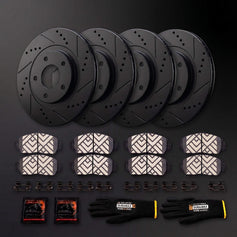
Every critical bolt on your braking system has a torque spec for a reason. Guessing isn't good enough when safety's on the line especially when installing a complete brake kit with new brake pads and rotors.
Pro Tip: Invest in a reliable torque wrench covering the 10-150 ft-lb range. Calibrate it once a year for accuracy.
2. C-Clamp or Disc Brake Caliper Tool
You'll need to compress the caliper piston back into the caliper housing to fit your new, thicker brake pads.
Pro Tip: A large C-clamp works fine, but a dedicated brake caliper tool makes the job faster and less risky particularly when working with performance brake kits that use larger piston assemblies.
3. Brake Bleeder Kit (Or at Least a Clear Hose)
If you're doing anything beyond pad swaps like fluid changes or caliper replacements, you'll need to bleed your brakes and restore full hydraulic pressure to your braking system.
Pro Tip: A simple clear hose and catch bottle work well. A vacuum bleeder or pressure bleeder saves time, especially if you often work solo on brakes and rotors.
4. Jack and Jack Stands (Not Just the Car Jack)
The scissor jack that came with your car is for emergencies only and not for brake work.
Pro Tip: Get a low-profile hydraulic jack and a solid set of jack stands rated for at least 2–3 tons. Always lift on solid, flat surfaces and chock the wheels before touching any brake parts.
5. Lug Wrench or Impact Wrench
Removing and reinstalling your wheels efficiently is a big part of the brake job flow and essential for accessing your brake pads and rotors cleanly.
Pro Tip: A 4-way lug wrench gives better leverage. A cordless impact wrench speeds everything up. Always finish with a torque wrench to hit the correct spec.
6. Wire Brush and Brake Cleaner
Surface preparation is the difference between a professional brake install and one that squeals, vibrates, or wears unevenly.
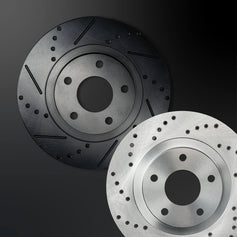
Pro Tip: Use a wire brush to clean hub faces and caliper brackets before installing new brake parts. Spray uncoated rotors with brake cleaner to remove protective oils before installation.
7. Anti-Seize and High-Temperature Brake Grease
Small tubes, massive impact on the longevity and performance of your brakes and rotors.
Pro Tip: Anti-seize helps your future self when the next brake job comes around. No seized bolts, no stripped hardware. Brake grease ensures smooth caliper slide pin function and prevents noisy brakes after installation.
Final Thought: Tools Are an Investment in Confidence
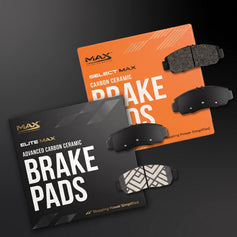
You don't need a full mechanic's garage to do pro-level brake work. You just need the right tools, properly used. Pair them with a quality Max Advanced Brakes kit and you'll have everything you need to get it done right the first time.
Start with these seven essentials and every brake job you take on will feel smoother, safer, and more satisfying.