
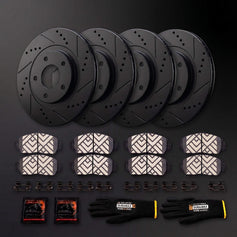
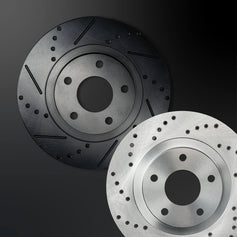
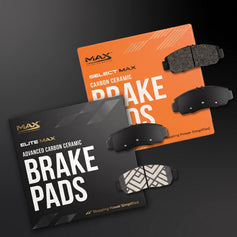

By: Max Advanced Brakes
You Selected the Right Year, Make, and Model — and the Part Still Doesn't Fit
You picked the correct year, make, and model from the dropdown. You placed your order. The box arrived, you pulled the parts out, and they don't fit your vehicle. This is one of the most common frustrations in buying brake parts online.
The problem is that year, make, and model alone don't capture the full picture. Trim level, engine variant, and mid-year production changes all affect brake part compatibility. A 2020 Honda Civic LX and a 2020 Honda Civic Si, for example, require entirely different brake pads despite sharing the same year, make, and model.
This isn't a fluke. It's a systemic gap in how most online auto parts stores handle fitment, and it catches buyers off guard every day.
The Hidden Cost Cascade of a Wrong Brake Part
Inaccurate fitment information drives roughly 86% of product returns in automotive e-commerce. That number isn't a seller-side inconvenience; it represents real money coming out of buyers' pockets.
Consider the cost chain that kicks in when the wrong part shows up. Return shipping on heavy items like rotors runs $15 to $40 CAD. Some sellers tack on restocking fees as high as 20%. Then there's the installation labor you've already put in, plus the downtime while your vehicle sits on jack stands waiting for the correct part.
Some sellers make returns even harder by imposing 14-day return windows or blanket exclusions on installed parts. If you've already tried to mount the rotor before realizing it's wrong, you may be stuck with a part you can't use and can't send back.
Consider the math. A full four-wheel brake job at a dealership averages around $1,200 CAD in 2026. Doing it yourself with quality aftermarket parts brings that closer to $400 CAD. That's a compelling reason to go DIY. But with shop labor rates sitting between $150 and $220 CAD per hour, even one wasted installation attempt erodes the savings that motivated the project in the first place. The deal on a cheap brake set disappears fast once you factor in the total cost of getting it wrong.
The Safety and Legal Consequences Most Buyers Never Consider
According to NHTSA data, brake-related problems contribute to approximately 22% of vehicle accidents in the United States. The stakes here go well beyond inconvenience.
There's an invisible risk that most buyers overlook. A brake part that physically bolts on may still be wrong for your vehicle's specific caliper size, rotor diameter, or pad compound. It won't throw a warning light. It won't make an obvious noise. It will simply degrade your stopping performance, and you may not notice until you need to stop quickly and can't.
Real-world examples reinforce this point. In May 2025, Ford recalled over 270,000 SUVs due to a brake system defect that could lead to brake fluid leaks and increased stopping distance. If a factory defect of that scale can slip through an OEM's quality controls, the risk of installing an aftermarket part never verified for your specific vehicle configuration is significant.
For Canadian DIYers, there's a legal dimension that rarely gets discussed. Installing incompatible aftermarket brake parts can expose you to personal liability in the event of an accident. Brakes are the one repair where being almost right carries life-threatening consequences, and the legal system treats that accordingly.
What a Real Fitment Guarantee Actually Means
A basic year, make, and model dropdown shifts responsibility to you, the buyer. You pick the vehicle, and if the part doesn't fit, that's your problem. A true fitment guarantee works differently: the seller stands behind the compatibility of the part they ship you.
Genuine fitment verification goes deeper than year, make, and model. It accounts for trim, engine variant, and production-date differences. It also requires ongoing maintenance, because fitment data becomes outdated every time a new model year rolls out or a manufacturer makes a mid-cycle change.
The results speak for themselves. Sellers with proper fitment tools report up to a 40% drop in return rates, meaning fewer wrong parts reach customers in the first place.
At Max Advanced Brakes, our vehicle-specific search tool verifies compatibility at every level, not just year, make, and model. Every part we sell is backed by a 100% fitment guarantee and built to OEM specifications, matching exact weight and vane counts. If something is ever wrong, our 90-day return policy gives you plenty of time to make it right, with no tariff or duty fees and free shipping from our Canadian and U.S. warehouses.
How to Evaluate Any Online Brake Parts Seller Before You Buy
Before you place an order, ask three questions:
- Does the seller offer a written fitment guarantee? Not a suggestion tool, but an actual guarantee they stand behind.
- Does their search tool go beyond year, make, and model? If it doesn't account for trim and engine variant, you're absorbing the risk.
- What does their return policy actually cover? Read the fine print on windows, restocking fees, and exclusions.
With nearly 70% of Canadians turning to DIY repairs to offset rising costs, getting the sourcing decision right matters more than ever. A fitment guarantee isn't a bonus feature. It's a trust signal that tells you the seller has invested in accurate compatibility data and is willing to stand behind it.
The cheapest brake part online is only a deal if it fits your vehicle the first time.