
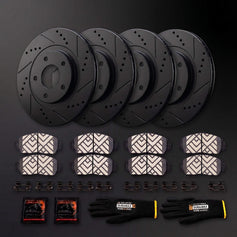
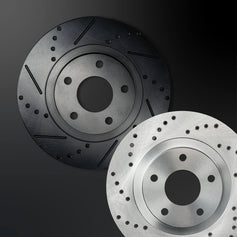
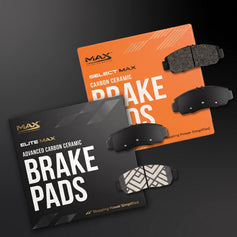

When it comes to driving safely, your brakes are your first and most important line of defense.
But unlike an engine light flashing or a flat tire, worn brake pads don't always scream for attention. They whisper. If you know what to look and listen for, you can stay ahead of costly repairs and keep your ride smooth, safe, and stress-free.
Here are five unmistakable signs that your brake pads are worn out and why ignoring them is a risk you can't afford.
1. Squealing or Screeching Sounds
If you hear a high-pitched squeal every time you hit the brakes, that's your first warning. Most brake pads are designed with a built-in wear indicator: a small metal tab that makes a screeching sound when the pads are getting too thin.
Pro Tip: Don't wait for it to get louder. That squeal means it's time to inspect and replace your brake pads before the damage spreads to your rotors and turns a simple brake parts swap into a costlier repair.
2. Grinding Noise When Braking
A grinding noise signals serious trouble. By the time you hear grinding, your brake pads are likely worn completely through and your rotors could be taking direct metal-on-metal damage.
Grinding = Metal on Metal. This turns a relatively low-cost brake pad replacement into a full brakes and rotors repair.
3. Longer Stopping Distances
If your car feels like it needs more road to come to a complete stop, that's not your imagination. It's worn brake pads. As the friction material wears down, your brakes lose the bite they need to stop quickly and safely.
Pro Tip: In emergency situations, longer stopping distances can be the difference between a close call and a collision. Fresh brake pads and rotors restore full stopping confidence immediately.
4. Brake Pedal Feels Soft or Spongy
A healthy brake pedal feels firm and responsive. If your brake pedal starts feeling soft, squishy, or sinks lower than usual, it's a red flag.
It could mean worn brake pads or worse, air in the brake lines or fluid leaks. Either way, don't drive around guessing. Get it checked immediately.
5. Warning Lights on Your Dashboard
Modern vehicles often have a brake system warning light. If this light comes on especially alongside any of the signs above, your vehicle is telling you something important about your brake pads and rotors that needs immediate attention.
Warning lights aren't optional alerts. They mean action is needed now, not later.
Final Thought: Brake Pads Whisper Before They Fail — Listen Early
If something feels, sounds, or stops differently than normal, it probably is. Your brakes are not the part to gamble with.
Routine brake inspections and early brake pad replacements are some of the smartest, most cost-effective decisions you can make for your vehicle's safety and longevity.
Drive safe. Drive smart. Drive MAX.