

Air bubbles in your brake lines can make your pedal feel soft and dramatically reduce your stopping power. Bleeding your brakes removes that air restoring full braking confidence and safety.
Whether you're a DIY home mechanic, a trade worker, or simply maintaining the family vehicle, this is one brake service job you can absolutely handle yourself with the right parts and a little patience.
Here's a simple, step-by-step guide to bleeding your brakes properly, whether you're upgrading your system or doing regular maintenance.
1. What You'll Need
-
Fresh brake fluid (check your owner's manual for the correct type: DOT 3, DOT 4, etc.)
-
Clear plastic tubing
-
Catch bottle or container
-
Wrench for bleeder screws
-
An assistant (for manual bleeding)
2. The Bleeding Process
-
Top off the brake fluid reservoir and keep it open but covered with a clean cloth.
-
Attach clear tubing to the bleeder valve on the first caliper (start with the wheel farthest from the master cylinder).
-
Have your assistant slowly press the brake pedal several times, then hold it down.
-
Open the bleeder valve to let fluid and air escape. Close the valve before releasing the pedal.
-
Repeat until no more air bubbles appear in the tubing.
-
Move to the next caliper (rear passenger, rear driver, front passenger, front driver).
-
Top off the brake fluid reservoir frequently to prevent introducing new air.
3. Pro Tips for Success
-
Never let the brake fluid reservoir run dry. It introduces new air into the system.
-
Use fresh, unopened brake fluid; old fluid absorbs moisture quickly and reduces performance.
-
Bleed slowly and consistently for the cleanest, most complete air removal.
-
If you've recently installed new brake pads and rotors, bleeding your brakes at the same time ensures your entire system is performing at its best.
4. Signs You Need to Bleed Your Brakes
-
Soft, spongy, or inconsistent brake pedal feel
-
Recent brake system repairs (caliper, line, or master cylinder replacements)
-
Brake fluid leaks or low fluid levels
-
Newly installed brakes and rotors that haven't been bled yet
Final Thought: Smooth Braking Starts with a Clean System
Bleeding your brakes isn't just maintenance; it's critical to protecting your safety and maximizing your brake system's performance.
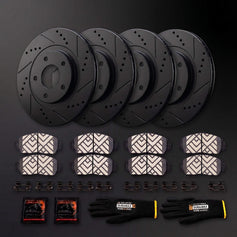
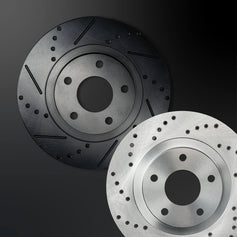
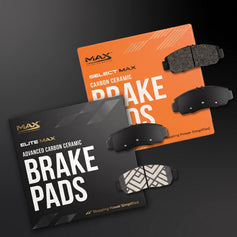
If you're sourcing brake parts for your next service, Max Advanced Brakes offers complete kits with quality brake pads and rotors designed for reliable, consistent stopping power.
Drivers count on Max Advanced Brakes for quality they can feel. Check out Max Brakes reviews to see why.