

If your brake warning light comes on while driving, don't ignore it. It's the vehicle's way of telling you something is wrong. Fast action could protect your braking system, your vehicle, and your safety.
Here's a professional breakdown of the most common reasons your brake light comes on and what you should do about it.
1. Low Brake Fluid Level
-
Warning Trigger: Most vehicles monitor brake fluid level in the master cylinder reservoir. If fluid drops below a safe level, the brake warning light turns on.
-
Possible Causes: Worn brake pads, small leaks in the system, or fluid evaporation over time.
-
What to Do: Check fluid level and top up with the correct type if needed, but also inspect for underlying causes of fluid loss.
2. Engaged Parking Brake
-
Warning Trigger: The light often stays on if the parking brake (handbrake or foot brake) is slightly engaged while driving.
-
What to Do: Fully release the parking brake and confirm the warning light disappears.
-
Tip: Some vehicles have sensitive parking brake sensors. Even slight tension can trigger the warning.
3. Worn Brake Pads (Sensor-Equipped Vehicles)
-
Warning Trigger: Some cars have electronic wear sensors that activate the brake light when pad thickness drops below a safe minimum.
-
What to Do: Inspect your brake padsif they are worn close to the backing plate, it's time for replacement.
-
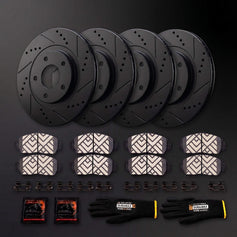
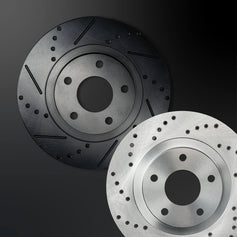
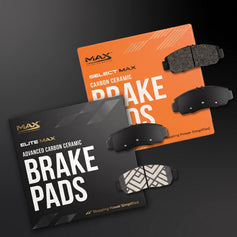
Upgrade Option: Max Advanced Brake Kits include new brake pads, rotors, and hardware for complete system renewal and longer service life. Makes it a worthwhile upgrade over replacing individual brake parts one at a time.
4. ABS Brake System Issues
-
Warning Trigger: Some vehicles combine ABS and brake warnings into one light or will trigger multiple lights if the system detects a failure.
-
Possible Causes: Faulty ABS sensor, broken tone ring, or low brake fluid causing ABS shutdown.
-
What to Do: Professional scan tool diagnostics are often needed to pinpoint the ABS fault quickly and accurately.
5. Brake System Hydraulic Problems
-
Warning Trigger: Loss of hydraulic pressure in one brake circuit will trigger the brake warning light in most vehicles.
-
Possible Causes: Brake line leaks, master cylinder failures, or large caliper seal failures.
-
What to Do: Stop driving immediately if braking feels abnormal. This situation is a serious safety risk that requires immediate professional attention.
Final Thought: Brake Warning Lights Demand Immediate Attention
Your brake warning light isn't just a reminder, it's a safety alarm. Acting early protects your vehicle and everyone who rides in it.
Whether you're replacing brake pads, upgrading to a full brakes and rotors kit, or sourcing individual brake parts, choosing quality makes all the difference. Trust Max Advanced Brakes to deliver premium-quality brake pads and rotors for the stopping power you need when it matters most.