
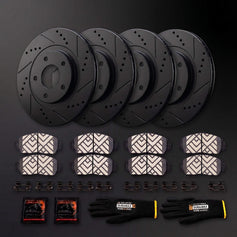

When temperatures drop below freezing, drivers start worrying about all kinds of things — battery strength, tire pressure, engine coolant... and sometimes, brakes and brake fluid.
So, can brake fluid actually freeze? Let’s break it down, so you can protect your brakes and rotors, brake pads, and overall brake kit performance.
1. Brake Fluid Freezing Point
-
Extremely Low Temperatures: Most common brake fluids (DOT 3, DOT 4, DOT 5.1) freeze at temperatures around -40°F (-40°C) or lower.
-
DOT 5 Fluid: Silicone-based DOT 5 fluids have even lower freezing points, often below -55°F (-48°C).
Bottom Line: In normal winter conditions — even extreme cold — brake fluid will not freeze solid under typical use.
2. Water Contamination Is the Real Risk
Brake Fluid Absorbs Water
DOT 3, 4, and 5.1 fluids are hygroscopic — meaning they pull moisture from the air over time.
Water Freezes Early
If enough water contaminates the fluid, that water can freeze around 32°F (0°C) — causing brake line blockages or inconsistent braking feel.
Boiling Point Drops
Even if freezing doesn’t happen, water contamination lowers the fluid's boiling point — risking brake fade during heavy use.
3. Symptoms of Brake Fluid Contamination or Freezing
-
Spongy or Soft Pedal: Air or ice forming in brake lines affects brake pressure and feel.
-
Inconsistent Braking: Vehicle may pull to one side or brake unevenly when cold.
-
Warning Lights: ABS or brake system warning lights may illuminate if fluid flow is restricted.
4. How to Protect Your Brake Fluid in Winter
Regular Fluid Changes
Brake fluid should typically be changed every 2–3 years to minimize moisture buildup.
Use High-Quality Fluid
Always choose fluid that meets or exceeds OEM specifications for your vehicle.
Inspect Your System
Check your brake parts, including brake pads and rotors, regularly
Check for Leaks
Inspect the master cylinder, brake lines, and reservoir caps regularly to prevent moisture intrusion.
Final Thought: Freezing Isn’t the Problem — Neglect Is
Brake fluid itself almost never freezes under real-world conditions, but neglecting fluid changes invites moisture contamination which can freeze, boil, or compromise braking when you need it most.
Whether you're maintaining your system or upgrading to Max Advanced Brakes, taking care of your brake fluid ensures reliable stopping power in any condition.
Stay ahead of winter. Stay safe with properly maintained brake parts and drive with confidence using Max Advanced Brakes.