

When it comes to upgrading your brakes, most drivers know they need something — but few understand exactly what each part does.
If you're serious about safety, performance, and value, it's critical to know the difference between your brake rotors and brake pads — before you choose what to buy.
Here's the simple, no-fluff breakdown you need.
What Are Brake Rotors?
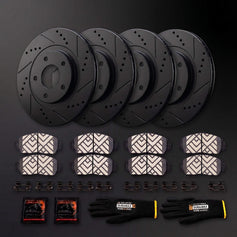
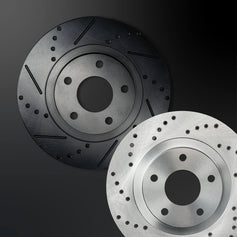
Brake rotors — also called brake discs — are the large, round, flat metal components attached directly to your wheel hubs. When you press the brake pedal, the caliper squeezes the brake pads against the rotors, creating friction that slows your vehicle down.
Key Roles:
-
Provide the surface for your brake pads to clamp onto
-
Disperse heat generated during braking — critical for consistent stopping power
-
Help maintain smooth, controlled braking at high speeds
What Are Brake Pads?
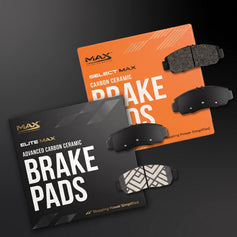
Brake pads are the friction material that makes contact with the rotors. They're housed inside the brake calipers and are the first responders when you hit the brakes.
Key Roles:
-
Create friction against the rotor to slow or stop the vehicle
-
Absorb and manage heat created during braking
-
Designed to wear down over time — they are a consumable brake part that needs regular inspection
Why Both Matter — and Work Together
Think of brake pads and rotors like a team: pads are the grip, rotors are the anchor.
One without the other working properly leads to weak braking, uneven wear, noise, vibration — and eventually, expensive repairs.
Pro Tip: Worn brake pads damage rotors. Warped rotors wear down brake pads unevenly. Upgrading one without checking the other is like replacing half your tires — it defeats the purpose.
When Should You Replace Brake Pads? Rotors? Or Both?
Replace Brake Pads When:
-
You hear squealing, squeaking, or grinding noises during braking
-
Your brake pedal feels soft or spongy
-
Brake pads are worn down to 3mm or less of material
Replace Rotors When:
-
You feel vibration or pulsing in the brake pedal when stopping
-
You see visible grooves, scoring, or cracking on the rotor surface
-
Rotors are below minimum thickness — stamped directly on the rotor itself
Pro Move: When installing new brake pads, always inspect your rotors. If they're worn or below spec, replacing brake pads and rotors together ensures a clean bedding-in process, maximizes lifespan, and gives you the full benefit of a matched brake kit from day one.
Final Thought: Smart Shoppers Replace for Performance, Not Just Wear
Understanding your rotors and brake pads isn't just for hardcore DIYers — it's for any driver who cares about their safety and vehicle performance.
The right combination of fresh brake pads and healthy rotors means shorter stopping distances, smoother rides, and peace of mind every time you hit the brakes.
Choose smart. Drive safe. Stay MAX.